“coffee explanation” search results (800)

Coffee roasting stage characteristics roasting coffee stage detailed explanation of roasting coffee characteristic coffee roasting
From the point of view of the baking degree, the deeper the baking degree, the stronger the bitter taste; the lighter the baking degree, the stronger the sour taste. The choice of baking degree depends on the characteristics of the coffee bean itself. for coffee beans with strong bitterness and light sour taste, they generally choose a moderate and shallow roasting degree. 1, shallow baking (Light) the lightest fried culture, no flavor and concentration, beans are not yet ripe, there are raw beans
2016-03-14 Coffee roasting stage characteristics detailed explanation degree from a point of view the deeper the bitterness
A detailed explanation of the world coffee brand
Nestle Nescafe: coffee with a long history, founded in 1867. The Bird's Nest trademark was designed at the end of the 19th century to pray for a reduction in infant mortality in the world. UCC: founded in Japan in 1933, it is the most successful Japanese brand in the world and a guarantee of quality. Royal Copenhagen RoyalCopenhagen: has always had a high-quality evaluation of the royal Copenhagen.
2015-05-13 Details World Coffee Brand Nestl é Nescafe long History
A detailed explanation of "Coffee Flavor" Coffee beans from different producing areas approved by SCAA
SCAA recognized coffee flavor standard 1, coffee flavor wheel, at first derived from the red wine flavor wheel, and the later coffee flavor wheel in the taste spectrum, than the red wine flavor wheel flavor, has more than a little bit. However, I found that in addition to cup testing and roasting, coffee flavor wheel is more useful in pointing out people who don't know much about coffee and helping them understand coffee.
2016-06-24 Detailed explanation coffee taste flavor SCAA approval coffee standard different producing area
Explanation of the washing method for the primary processing of coffee beans
Washing is the most popular and widely used method of raw bean treatment at present, and most of the boutique coffee beans will choose the washing method. In South America, all countries except Brazil choose to wash raw beans. Washing is the most scientific and technological method among all the treatment methods, and multiple screening is used to ensure the uniformity and stability of coffee bean quality. First of all, still
2014-10-09 Coffee knowledge coffee bean processing water treatment
Coffee nouns knowledge coffee nouns explanation
Flavor [Flavor]: the overall impression of aroma, acidity, and mellowness. Acidity [Acidity]: the strong acidity of all coffee grown on the plateau. The sour here is different from bitterness and Sour, and has nothing to do with pH value. It refers to a fresh and lively quality that promotes coffee to exert its functions of invigorating the mind and clearing the taste. The acidity of coffee
2015-03-06 Coffee noun knowledge noun explanation
Explanation of the terms of fine coffee in coffee knowledge
Cupping: a way to test the quality of coffee, basically by placing ground fresh coffee beans in a cup, pouring them into hot water, soaking them, and then scooping them out with a small spoon without filtering. Extraction: precipitation of the desired substance by dissolving it through a liquid. Caffeine: chemical formula C8H10N402, the only nitrogen-containing plant base, refreshing, diuretic, relieving fatigue
2014-09-13 Coffee knowledge boutique coffee terminology coffee words
Fine Coffee: a detailed explanation of hand-made filter Paper Coffee
One: prepare hand flushing equipment 1. Filter cup 2. Filter pot 3. Filter paper 4. Hand flush pot 5. Coffee powder (medium grinding-medium roughness grinding) 6. Hot water (83-88 degrees) 2: coffee bean dosage and coffee liquid extraction 1 cup coffee powder: 10g coffee solution for 180ml extraction 2 cups coffee powder: 18g coffee solution for 300ml extraction 3 cups coffee powder: 25g coffee solution
2014-10-31 Coffee knowledge boutique coffee hand filter paper coffee
The knowledge of sacks containing coffee beans the explanation of English words on coffee bags
Seeing the sacks of green raw coffee beans carried in gunny bags, I could not smell any coffee aroma and was inconspicuous, but the line of sight was attracted by the sacks of coffee beans that are rarely seen, because these sacks are like paper for wine bottles, full of information about coffee beans, it turns out that the life experience of a bean is so complicated. 1. Bean producing area / manor / cooperative Fedecocag
2015-05-13 Coffee beans sacks bag knowledge knowledge coffee English words explanation see one
A detailed explanation of homemade coffee hand-brewed coffee
Hand-made coffee and siphon coffee should be the two most popular coffee practices in Japan. Relatively speaking, hand style is the easiest way to get started, and it is also one of the best ways to taste individual coffee. First, let's talk about the preparation of the tools: 1. A Tiamo kettle with a thermometer 2, a Hario V60 filter cup 3, tapered filter paper 4, and a pot for coffee is installed in a very simple way.
2014-10-22 Coffee knowledge coffee making hand coffee making
Coffee beans roasting common sense detailed explanation of the 8 stages of roasting
Roasting green coffee beans gives the beans their distinctive color, aroma and taste. The most important thing about baking is to be able to cook the beans evenly inside and outside without burning them. 80% of coffee taste depends on roasting, which is the most basic and important condition for brewing strong coffee. The roasting of coffee beans is roughly divided into three categories: light fire, medium fire and strong fire.
2014-12-10 coffee beans roast common sense detail 8 stages coffee green beans
Detailed explanation of coffee utensils using siphon pot
The coffee made by the siphon pot is more mellow because a large amount of coffee oil is dissolved in the coffee liquid, so the coffee made by the siphon pot is more mellow and more fragrant. What most friends have is the so-called three-person siphon pot, not to mention whether it is made by three people, but you need it when you make it.
2014-09-09 Coffee utensils siphon pot
Explanation on the method of taking beans and Solar treatment in the Primary processing of Coffee beans
Tanning is a traditional method for the initial processing of coffee beans, and at present, almost all coffee-growing countries such as Ethiopia and Yemen still use solarization to treat raw beans. Sun treatment will first identify sunken beans in the sink, that is, ripe or half-ripe beans are spread in the drying farm for natural drying. The specific time depends on the local climatic conditions, which usually takes two to four weeks.
2014-10-09 Coffee knowledge coffee bean processing sun-cured coffee beans
Explanation of the main ingredients of coffee
1. Caffeine has a particularly bitter taste and stimulates the central nervous system, heart and respiratory system. Appropriate amount of caffeine can also reduce muscle fatigue and promote digestive juice secretion. Because it promotes kidney function, it is diuretic and helps the body to expel excess sodium ions from the body. But eating too much can lead to caffeine poisoning. two。 After the tannic acid is boiled, the tannic acid will be decomposed into pyrouric acid.
2014-07-17 Coffee knowledge coffee ingredients coffee encyclopedia
Technical skills of coffee roasting: an explanation of the changes in the three levels of roasting
Coffee roasting is a science that is easy to learn but difficult to master. Like cooking, anyone can cook food and eat it to satisfy hunger. But what level of food do you cook? How far and how big is the difference from "able to cook" to "Michelin three-star" chefs? The same is true of roasted coffee. Being able to bake coffee does not mean that it produces good coffee. We can simply put
2015-12-16 Coffee roasting techniques key points three levels changes explanations coffee
Boutique Coffee Science detailed explanation of Coffee Belt (COFFEE WORLD MAP)
Coffee trees grow in tropical or subtropical agricultural gardens centered around the equator and called coffee belts. Most of the coffee production is between the Tropic of Cancer, 25 degrees north of the tropical or subtropical equator and 30 degrees south of the equator. An area with an annual average temperature of 16-25 degrees Celsius, no Frosts Descent and rainfall of 1600-2000 mm. At present, coffee is mainly produced by seven countries.
2014-10-18 Coffee knowledge boutique coffee science coffee belt
Coffee technology technical explanation of coffee pressing powder, filling powder and powder thickness
1. How much should the scale of the flour grinder be adjusted? The scale is just a reference. Different brands have different grinding scales, and the performance of the same model bean grinder of the same brand under the same scale is not exactly the same. It is better to understand it this way: the scale only tells you which direction is thick and which is fine. When you find a suitable powder thickness, the role of the scale will show a little bit.
2014-12-30 Coffee technology pressing powder loading powder coarse powder fine powder explanation thickness bean grinder scale
Barista training technology chapter: coffee powder pressing, powder loading and powder thickness technology explanation
1. How much should the grinding machine scale be adjusted? Scale is only a reference, different brands of different grinding scales are not the same, the same brand of the same model of grinding machine in the same scale performance is not exactly the same, or this understanding is better: scale only tells you which direction is thick which direction is fine, when you find the powder thickness suitable for yourself, the role of the scale is slightly displayed
2015-10-15 coffee training technical articles powder pressing powder loading coarse powder fine powder technology explanation thickness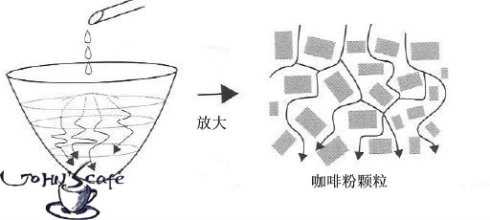
Hand brewing method--detailed explanation of the whole process of central water injection, introduction of how to hand brew a cup of fine coffee
I have been using the center injection method for brewing since I came into contact with hand brewing, that is, only injecting water in the center without spreading out, and a small hole will be formed after extraction. The opposite of the central injection method is the infusion method, which injects water over the entire coffee surface. Many friends feel that the central injection method may not be able to extract completely, but my feeling is that the central injection method can extract completely, but it is the immersion method.
2016-02-23 hand flush method center water injection whole process detailed explanation introduction how one cup boutique
Explanation of some Coffee terms (1)
Caramelization tester: this is the baking degree index used in the United States. The baking degree is expressed from the shallowest 100 to the deepest 25, meaning (the baking degree is about Agtron50). The determination relies on a special chromatic aberration judgment called Agtron M-Basic. Arabica species: together with Robsta species and Leiberia species, they are called the three primary species of coffee. The original farming is the cloak.
2014-08-22 Coffee knowledge coffee words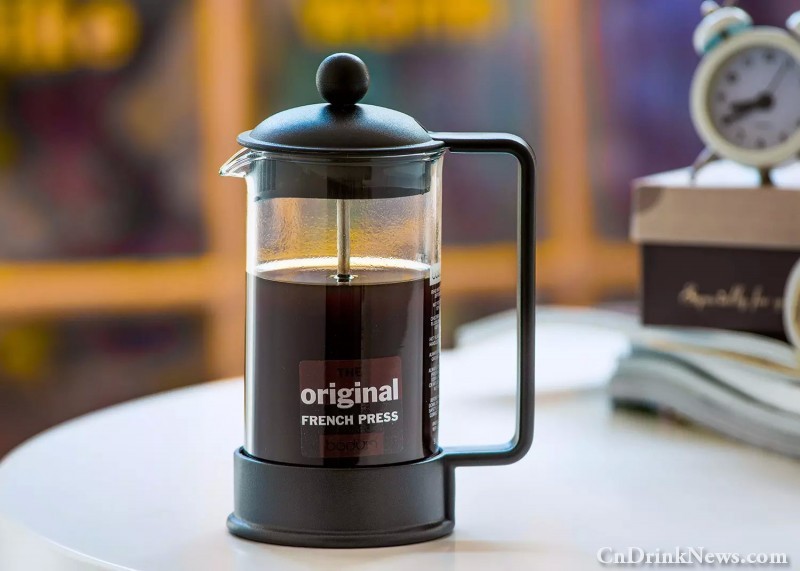
Coffee brewing method: the operation sequence of the pressure pot and the explanation of matters needing attention.
First, the steps of making coffee by pressing the kettle. 1. Take out the lid of the kettle, which is connected to the filter in the middle, so it will be taken out together. 2. Pour the ground coffee powder into the kettle. 3. Pour the hot water of 92 degrees into the kettle and install the lid of the kettle. At this time, do not press the filter in the middle and start the timing. 4. Wait five minutes
2015-12-11 Coffee brewing way French kettle operation method sequence matters needing attention explanation